Home Report Scotland Explained in Under 3 Minutes (Plus: What Buyers Actually Care About in 2026)
If you’re buying property in Scotland, you’ve probably heard the term “Home Report” thrown about. Maybe you’ve even wondered why Scotland does things differently from the rest of the UK. Well, here’s the good news: the Home Report isn’t some bureaucratic headache, it’s actually one of the smartest parts of the Scottish property system.
Let me walk you through exactly what a Home Report is, what’s inside it, and, most importantly, what buyers like you are actually looking for when they read one in 2026.
What Is a Home Report?
A Home Report is a mandatory document that sellers in Scotland must provide before they market a residential property. It’s been legally required since December 2008, and it’s designed to give buyers transparency and confidence right from the start.
Think of it as a full health check for a house. Instead of every potential buyer commissioning their own survey (which gets expensive fast), the seller gets one comprehensive report done upfront. Everyone sees the same information, and it levels the playing field.
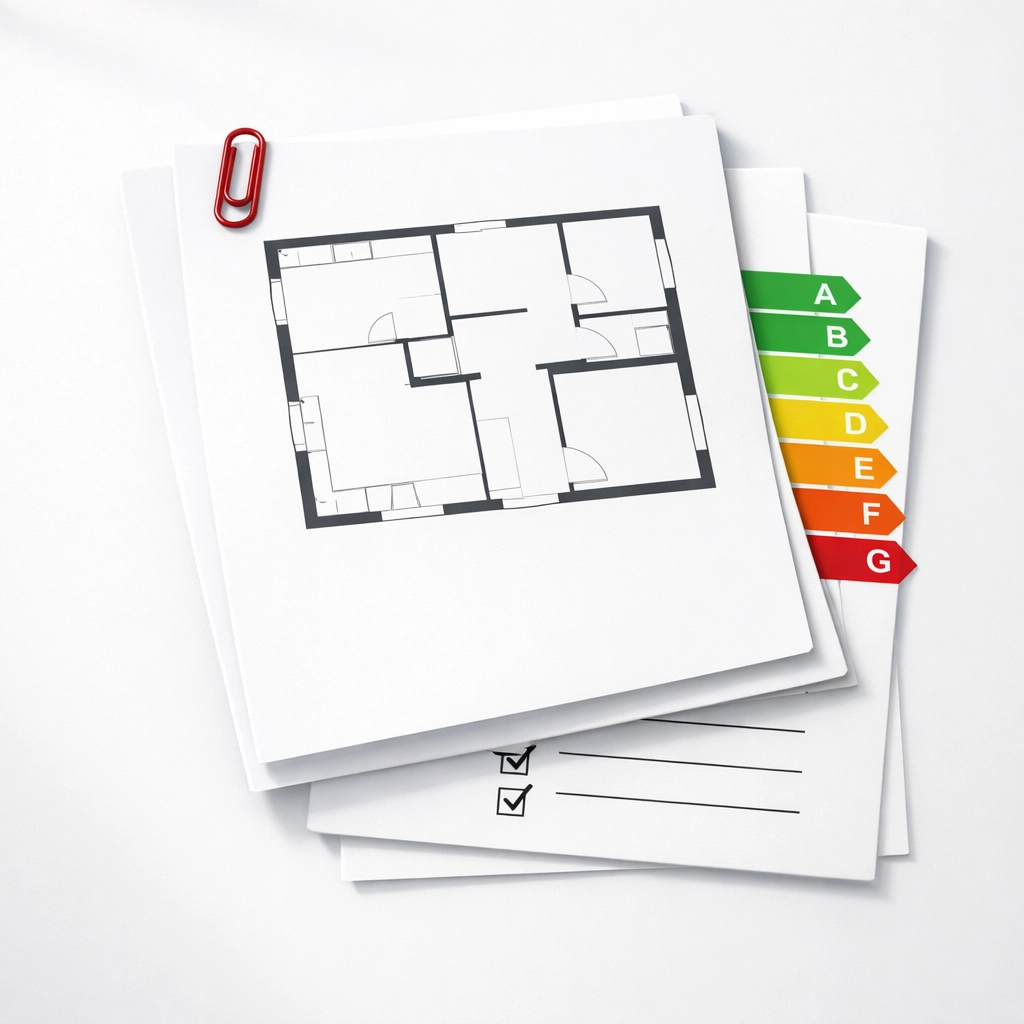
The report consists of three key documents:
- Single Survey
- Energy Performance Certificate (EPC)
- Property Questionnaire
Let’s break each one down.
The Single Survey: The Property’s Report Card
The Single Survey is carried out by a Chartered Surveyor and it’s the backbone of the Home Report. This is where you’ll find:
- A property valuation – an estimated market value based on current conditions
- A detailed condition assessment – covering everything from the roof to the foundations
- Repair categories – issues are sorted into three levels:
- Category 1: No immediate action needed
- Category 2: Repairs or replacements likely in the future
- Category 3: Urgent repairs or safety risks
This is the section buyers dive into first. If you see a Category 3 flag on something major, like structural movement or a failing roof, you know you’re either walking into a project or you’ve got serious negotiating power.
The valuation is also key. It gives you a professional benchmark, which is especially helpful in Scotland’s competitive market where sealed bids and closing dates are common. You’ll know if you’re overpaying before you even put an offer in.
The Energy Performance Certificate: More Than Just a Number
The EPC rates a property’s energy efficiency on a scale from A (most efficient) to G (least efficient). It also includes recommendations for improving the rating, things like installing double glazing, upgrading insulation, or switching to a more efficient boiler.
In 2026, this section matters more than ever. With energy costs still a concern for households across Scotland and growing awareness around sustainability, buyers are paying close attention to running costs. A property with a poor EPC rating might look cheaper upfront, but it could cost you hundreds more each year in heating bills.
Plus, if you’re applying for certain mortgages or looking at green financing options, a decent EPC rating can make a real difference.

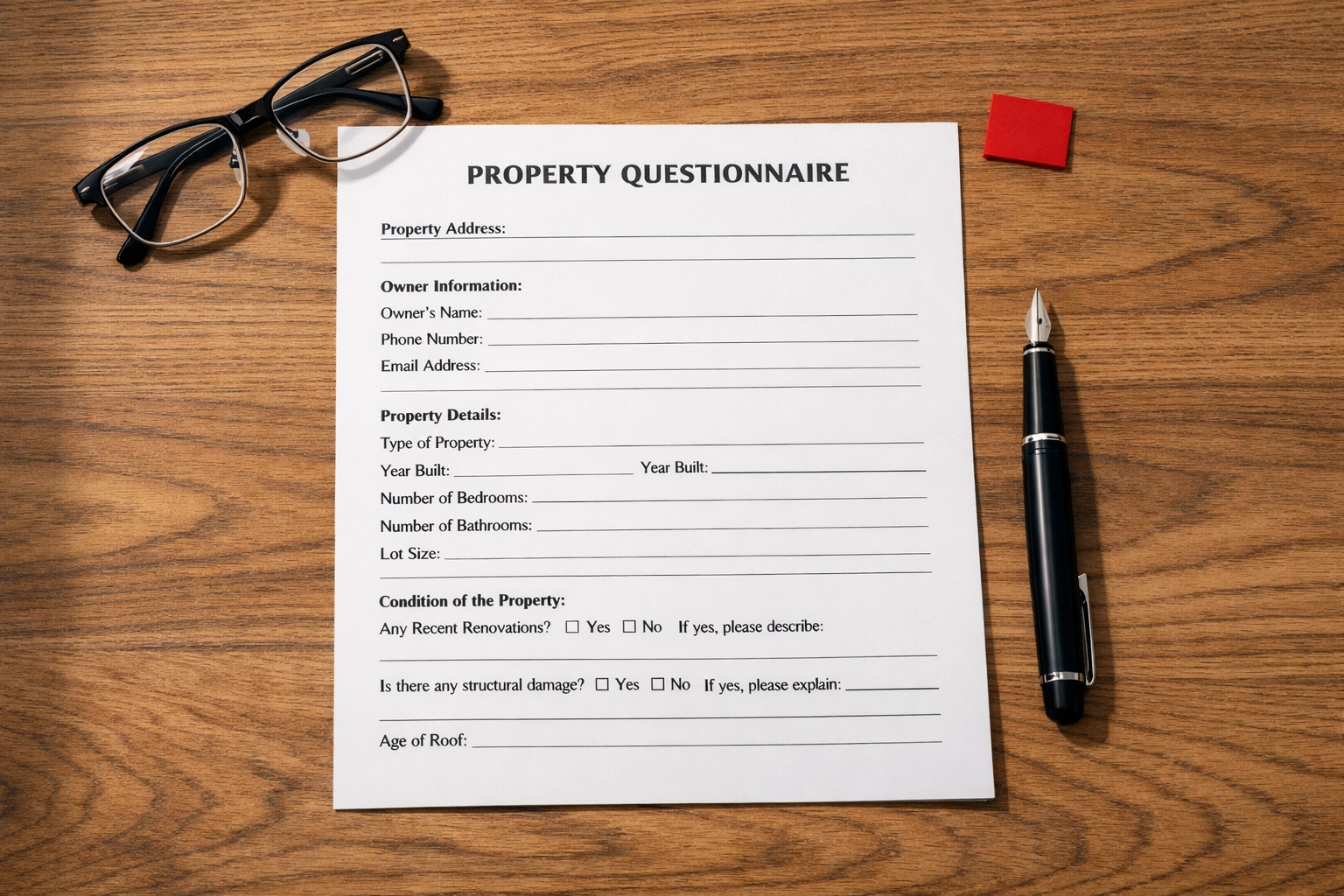
The Property Questionnaire: The Seller’s Side of the Story
This is the section where the seller answers a detailed set of questions about the property. It covers things like:
- Council tax band
- Parking arrangements
- Any alterations or extensions (and whether they had the proper consents)
- Maintenance history
- Guarantees or warranties for work that’s been done
It’s not a legal document in the same way the survey is, but it’s incredibly useful. You’ll get a sense of how well the property has been looked after and whether there are any potential red flags, like unpermitted building work or unresolved disputes with neighbours.
Why the Home Report System Works
Here’s the thing: before Home Reports were introduced, the Scottish property market was a bit of a Wild West. Buyers would go to viewings, fall in love with a place, then commission a survey only to discover major issues. Time wasted, money spent, trust lost.
The Home Report flips that on its head. Sellers are incentivised to address repairs before marketing, and buyers can make informed decisions from day one. It’s transparent, it’s efficient, and it keeps everyone honest.
For sellers, yes, there’s an upfront cost: typically from £300 onwards depending on the property’s size and location. But it’s a small price to pay for smoother sales and fewer surprises down the line.
For buyers, it’s a game-changer. You’re not flying blind, and you can compare properties on a like-for-like basis.

What Buyers Actually Care About in 2026
So, what are buyers focusing on when they read Home Reports this year? Based on what we’re seeing across Scotland, here are the big priorities:
1. Condition Over Cosmetics
Buyers in 2026 are savvy. They’re less concerned about dated wallpaper or old-fashioned kitchens (those can be fixed) and more focused on the structural stuff. Roof condition, damp issues, electrical systems: these are the deal-makers or deal-breakers.
If the Single Survey flags Category 2 or 3 issues, buyers want to know exactly what they’re getting into and how much it’ll cost to fix.
2. Energy Efficiency Is No Longer Optional
With the cost-of-living squeeze still fresh in people’s minds, energy efficiency is a top concern. Buyers are looking for properties with at least a C or D rating, and they’re wary of anything below that unless the price reflects the need for upgrades.
If your Home Report shows a low EPC rating, expect questions: and expect buyers to factor improvement costs into their offers.
3. Transparency in Alterations
Any extensions, loft conversions, or major alterations need to be properly documented. Buyers want to see building warrants and completion certificates. If those aren’t in the Property Questionnaire, it raises alarm bells.
In today’s market, due diligence is everything. Buyers aren’t taking chances on dodgy paperwork.
4. Realistic Valuations
The Single Survey valuation gives buyers confidence that they’re not overpaying, especially in competitive areas like Glasgow, Edinburgh, and the surrounding commuter belts. In a market where sealed bids are common, having that professional benchmark is invaluable.
If a property is priced well above the Home Report valuation, buyers will either walk away or submit lower offers. It keeps the market grounded.
How to Use a Home Report as a Buyer
Here’s my advice if you’re browsing properties right now:
- Read the whole thing. Don’t just skim the valuation and skip the rest. The devil is in the detail.
- Compare reports across properties. If you’re viewing multiple homes, line up the Home Reports side by side. You’ll quickly see which ones offer better value.
- Ask questions. If something in the report isn’t clear: maybe a vague comment in the survey or a missing document in the questionnaire: ask the estate agent or your solicitor to clarify.
- Factor in repair costs. If the survey highlights issues, get quotes for the work and adjust your offer accordingly.
And if you’re working with an experienced agent (like the team at Keller Williams Scotland), they’ll walk you through every page and help you make sense of it all.
Final Thoughts
The Home Report isn’t perfect: no system is: but it’s one of the best tools buyers and sellers have in Scotland. It cuts through the guesswork, builds trust, and keeps transactions moving.
In 2026, with buyer confidence improving but competition still strong in desirable areas, the Home Report is more important than ever. It’s your first real look at what you’re buying, and it’s worth taking the time to read it properly.
If you’re thinking about buying or selling in Scotland and want some straight-talking advice on Home Reports, valuations, or anything else property-related, feel free to reach out. We’re here to help make the process as smooth as possible.